
Gall Bladder Stone Treatment – Causes, Types, Symptoms & Ayura’s Approach
Gall bladder stones, medically known as cholelithiasis, are solid deposits that form inside the gall bladder or bile ducts. The gall bladder is a small, pear-shaped organ located beneath the liver. Its main function is to store and release corrosiveness, a digestive fluid that helps break down fats. When the balance of bile salts, cholesterol, and bilirubin is disturbed, small crystals appear, which later combine to form stones.
Not all stones cause symptoms. Some people may live with them quietly, while others may face severe abdominal pain, nausea, vomiting, or indeed life-hanging complications. Understanding the types, threat factors, and available options for Gall Bladder Stone Treatment is essential for proper care.
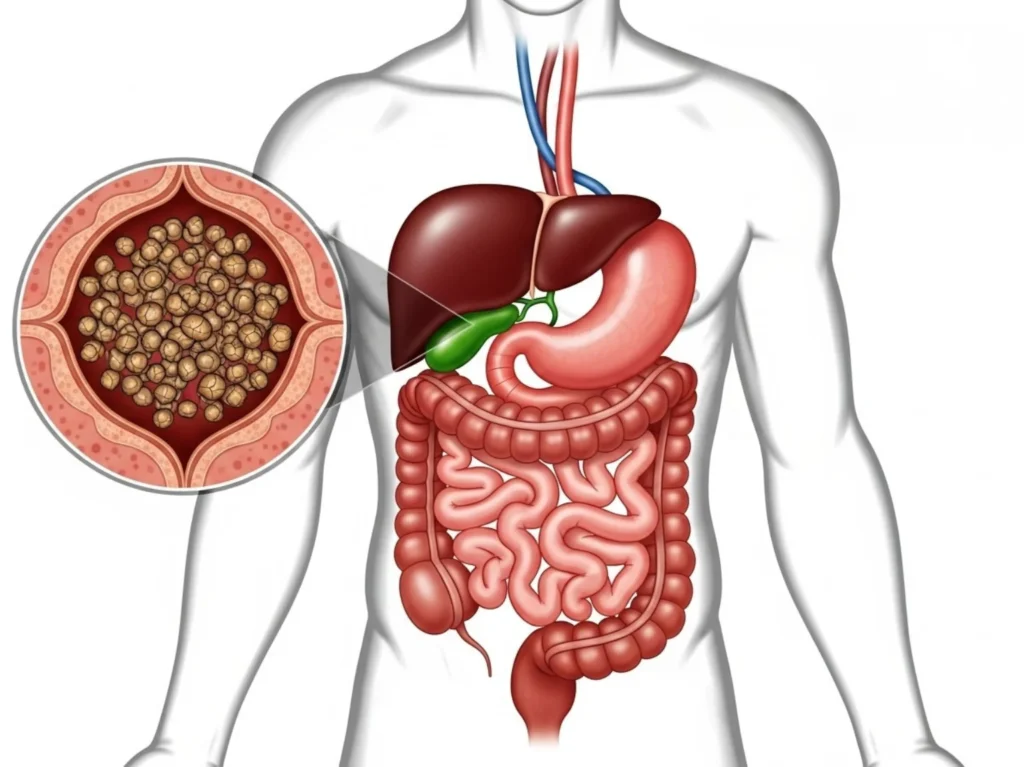
Types of Gallbladder Stones
Gallstones are divided into three main types depending on their composition and causes.
1. Cholesterol Stones( Most Common – 80% – 90%)
- Generally yellow or green in color
- Develop when bile contains excess cholesterol
- More common in women, during pregnancy and while using birth control pills
- Can cause sharp pain after fatty meals and repeated gall bladder inflammation
2. Pigment stones
Black Pigment Stones: Small and hard, usually linked with liver disease, cirrhosis, or blood disorders like hemolytic anemia
Brown Pigment Stones: Softer stones that often develop due to bile duct infections, more common in Asian countries
3. Mixed stones
- Contains a combination of cholesterol and pigment material
- Generally form in groups( multiple stones)
- May lead to frequent gall bladder infections and sometimes pancreatitis
Symptoms of Gallstones
Gall bladder stones may be silent, but when they obstruct the inflow, common symptoms include:
- Sudden sharp pain in the upper right abdominal( biliary bellyache)
- Pain radiating to the shoulder or back
- Nausea and vomiting, especially after fatty foods
- Bloating and indigestion
- Yellowing of eyes and skin (jaundice) if the bile duct is blocked
Threat Factors
Several factors increase the liability of gallstone confirmation
- Age above 40 years
- Women are more prone to this( due to estrogen, pregnancy, contraceptives)
- Obesity or sudden, rapid weight loss
- Family history of gall bladder stones
- High-fat, oily diet and sedentary lifestyle
Possible Complications
Gall bladder Stones can cause serious health problems, similar to the following, if left unaddressed.
- Inflammation of the gall bladder (cholecystitis)
- Obstructive jaundice
- Infection of the bile ducts (cholangitis)
- Pancreatitis
- Rarely, intestinal obstruction or perforation
Gall Bladder Stone Treatment
Treatment depends on the severity of symptoms and the case’s overall condition.
Modern Medical Treatment
- Laparoscopic Cholecystectomy:
The gold-standard treatment is where the gall bladder is removed through a minimally invasive surgery. Cases recover rapidly, and life remains normal without the gall bladder.
- Ayura’s Natural Gall Bladder Stone Treatment
At Ayura, treatment is focused on addressing the root cause of gallstone formation. Instead of just removing the gall bladder, Ayura’s formulations aim to:
- Cleanse and detoxify the liver and gall bladder
- Improve bile flow naturally
- Gradually dissolve small stones
- Prevent recurrence through long-term care
Why Choose Ayura for Gall Bladder Stone Treatment?
When it comes to managing gall bladder stones, choosing the right approach matters. At Ayura, the focus isn’t just on temporary relief but on long-term healing and prevention. Unlike surgery, which removes the gall bladder, Ayura works on the root cause of stone formation through natural and safe phrasings.
Here’s why thousands of cases trust Ayura
Non-surgical approach – Helps in dissolving stones naturally without removing the gall bladder in the utmost non-emergency cases
Tailored treatment – Every case is assessed collectively and given a tailored plan
Herbal phrasings – Made with proven constituents that support liver and gall bladder health
Focus on prevention – Reduces the chance of stones coming back in the future
Safe-deposit box and holistic – Combines herbal remedy with diet and life guidance for complete care
Ayura’s gall bladder stone treatment is designed to give patients relief from pain and discomfort while guarding long-term digestive health.
Frequently Asked Questions( FAQs)
Can gall bladder stones go down naturally?
Small stones or sludge may occasionally pass into the intestine on their own, but most gall bladder stones don’t dissolve naturally. Medical or Ayurvedic treatment may help in certain cases, while surgery is the most dependable option.
Is surgery the only treatment for gall bladder stones?
No, not always. Surgery( laparoscopic cholecystectomy) is the most effective treatment, especially for intermittent pain or complications. Still, some cases may be managed with specifics or Ayurvedic remedies if surgery isn’t suitable.
What happens if the gall bladder is removed?
Life after gall bladder removal is generally normal. The liver still produces corrosiveness, which flows directly into the intestine. Some people may need to avoid very heavy foods after surgery.
Which foods should be avoided with gall bladder stones?
Avoid deep-fried foods, red meat, oily gravies, cheese, butter, and refined sugars. A fiber-rich, low-fat diet with plenty of fruits and vegetables is largely recommended.
Are Ayurvedic drugs effective for gall bladder stone treatment?
Ayurvedic drugs at Ayura can help cleanse the liver and gall bladder, support digestion, and may reduce the chances of rash. They may be effective in managing symptoms and in certain cases of small monuments, but results vary from person to person.
Can gall bladder stones cause cancer?
Long-standing gallstones may slightly increase the threat of gall bladder cancer, but this is rare. Regular monitoring and timely treatment help with similar complications.