
Hair loss is becoming increasingly common among both men and women. While losing a small amount of hair each day is normal, persistent hair fall or noticeable hair thinning may indicate an underlying issue. Factors such as stress, hormonal changes, poor nutrition and certain medical conditions can all affect hair health. In the UAE, environmental factors including extreme heat, dust, hard water and frequent air conditioning may also contribute to hair concerns.
Many people begin looking for a suitable hair loss treatment or hair fall treatment when they notice excessive shedding. Alongside conventional care, some also explore Ayurveda, which looks beyond visible signs of hair loss rather than addressing them alone.
It’s normal to lose some hair every day. However, if you notice ongoing shedding, visible hair thinning or more hair falling out than usual, it could be a sign that something else is affecting your hair health. Hair grows in cycles of growth, rest and shedding. Losing around 50 to 100 hairs a day is generally considered normal. Hair loss becomes a concern when shedding is greater than new hair growth.
It doesn’t always look the same. Some people experience gradual hair thinning, while others notice excessive shedding, hair breakage or small bald patches. Whether hair grows back depends on what’s causing the hair loss, which is why early assessment is important.
These changes are among the most common hair conditions, making early assessment important before choosing the most appropriate approach to care.
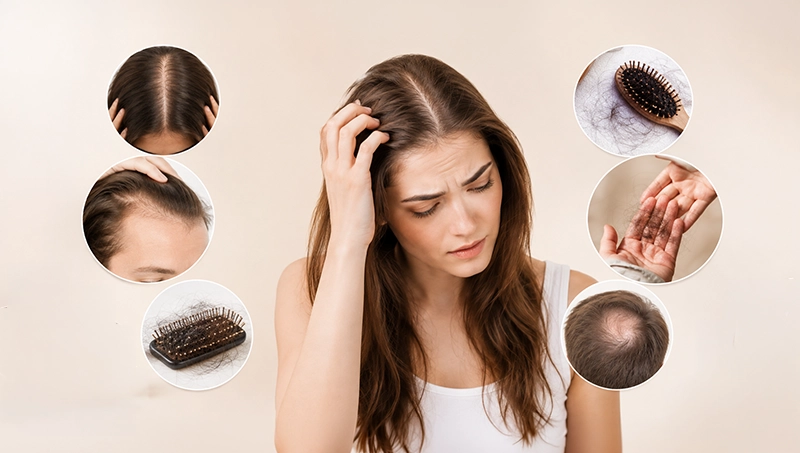
The changes often develop gradually, so the early signs can be easy to miss. You might notice:
Recognising these changes early may help identify the cause before hair loss becomes more noticeable.
Hair loss is rarely caused by a single factor. In many cases, a combination of health, lifestyle and environmental factors affects the hair growth cycle.
Stress: Physical or emotional stress can interrupt the normal hair growth cycle, leading to increased shedding several weeks or months later.
Hormonal Changes: Hormonal fluctuations during pregnancy, menopause or conditions such as polycystic ovary syndrome (PCOS) may contribute to hair thinning.
Genetics: Family history plays an important role in some types of hair loss, including female pattern baldness and male pattern hair loss.
Poor Nutrition: Low intake of protein, iron and other essential nutrients may affect healthy hair growth.
Medical Conditions: Thyroid disorders, iron deficiency, scalp infections and certain long-term health conditions can contribute to hair loss.
In the UAE, hard water, prolonged heat exposure, dust and frequent air conditioning may affect scalp health. Regular chemical treatments, excessive heat styling and poor scalp care can also weaken hair over time.
Because excessive shedding can have several causes, understanding what’s contributing to it is important before choosing any treatment. Alongside conventional care, some people also explore Ayurveda as part of their hair care routine.
Alongside conventional medical care, some people also explore Ayurveda to support healthy hair and scalp function. Rather than focusing only on hair fall itself, Ayurveda considers a person’s overall health, daily routine and body constitution before making recommendations.
Similar symptoms are traditionally associated with Khalitya, an Ayurvedic description of progressive hair loss. After an Ayurvedic consultation, guidance may include lifestyle changes, dietary advice and therapies selected according to individual needs.
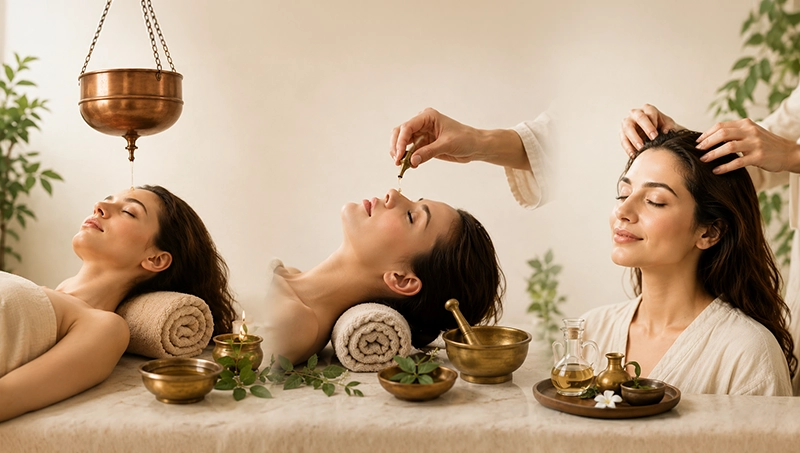
Hair loss treatment in Ayurveda is based on an individual’s symptoms rather than a one-size-fits-all approach. The therapies recommended depend on your scalp condition, symptoms, medical history and body constitution.
Shirodhara
Shirodhara involves gently pouring warm herbal oil across the forehead. It may be recommended for people whose hair concerns are accompanied by stress, poor sleep or mental fatigue.
Nasya
Nasya is a traditional Ayurvedic therapy that involves the careful application of medicated herbal oils into the nasal passages by a qualified practitioner. It is traditionally used to support the head and neck region and may form part of an Ayurvedic hair care plan when appropriate.
Abhyangam (Hot Oil Massage)
Abhyangam is a full-body hot oil massage performed using warm herbal oils selected according to individual needs. It may help improve relaxation, support healthy circulation and complement an overall hair care routine.
Looking after your hair involves more than choosing the right treatment. Everyday habits can also make a difference to your hair and scalp. Eating a balanced diet with enough protein, iron and vitamins, managing stress, staying hydrated and getting adequate sleep may all contribute to healthy hair growth. Gentle scalp care, avoiding excessive heat styling and protecting your hair from prolonged sun exposure, dust and hard water are also important, particularly in the UAE.
Many people search for a hairfall solution, but identifying the cause of hair loss is just as important as choosing the right treatment.
Several natural ingredients have long been used in Ayurvedic hair care. Depending on your scalp condition and individual needs, a practitioner may recommend ingredients such as:
These ingredients are traditionally used in Ayurveda to help treat the scalp and maintain healthy hair.
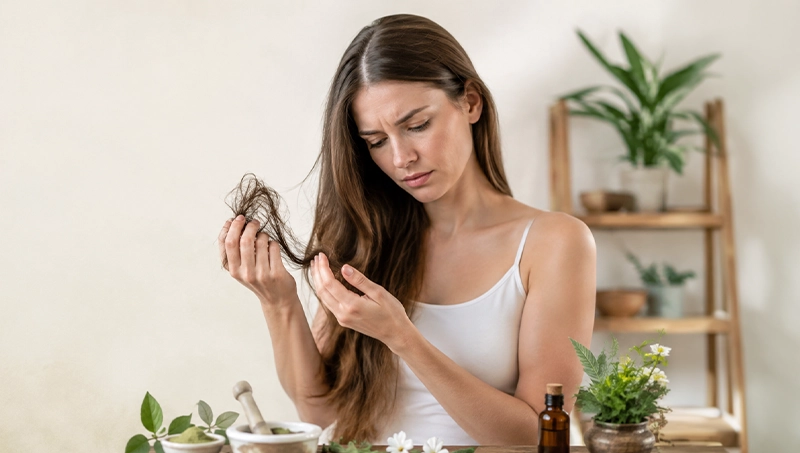
Consider speaking with an Ayurvedic practitioner if you experience:
Early assessment can help identify possible contributing factors and guide suitable care.
Every person experiences hair loss differently. During your first consultation, an Ayurvedic practitioner will discuss your symptoms, lifestyle, diet, medical history and scalp condition before recommending suitable therapies. Recommendations may also include dietary advice, scalp care and lifestyle changes alongside Ayurvedic treatments.
Unlike approaches that focus only on the hair itself, Ayurveda also considers factors such as lifestyle, daily habits and general health before recommending care. Depending on your consultation, recommendations may include therapies, dietary advice and scalp care to support healthy hair and scalp function.
Ongoing hair fall isn’t always caused by a single factor, which is why understanding the underlying reason is an important first step. Alongside medical care, some people choose Ayurveda to support hair and scalp health through therapies, lifestyle guidance and daily care. If your hair loss continues or becomes more noticeable, speaking with an Ayurvedic practitioner can help you understand the options available.